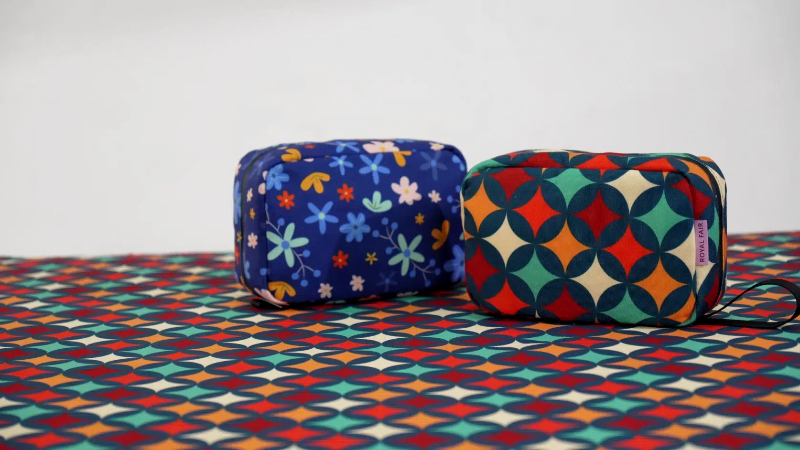
1. Digital Printing on Fabric
Technology: Digital printing on fabric uses inkjet or other digital technologies to transfer images or patterns directly onto the fabric. This method offers high - resolution, detailed prints and allows for a wide variety of color palettes. It is more environmentally friendly compared to some traditional printing methods as it reduces water usage and waste.
Substrates: Different types of fabrics can be used, such as cotton, silk, polyester, or blends. Each fabric has its own absorption and printing characteristics, so the ink and printing settings may need to be adjusted accordingly.
2. Layout and Color Modulation
Layout Design: Designers create the layout of the pattern or image to be printed on the fabric. This involves considerations such as the repeat pattern (if applicable), the placement of elements on the fabric width, and how the design will look when the fabric is cut and sewn into the final product (in this case, bags).
Color Modulation: Adjusting the colors of the design to achieve the desired aesthetic. This can be done using graphic design software. Color accuracy is crucial, especially if the product needs to match a specific brand color or color scheme. Pantone matching systems are often used to ensure consistent color reproduction.
3. Printing Paper
Role in Proofing: Printing on paper can be an important step in the pre - production process. A paper print of the design can be used as a proof to check the layout, colors, and overall appearance before printing on the actual fabric. This helps to catch any design flaws or color discrepancies early on, saving time and resources.
Paper Types: Different types of paper may be used depending on the printing method. For example, high - quality glossy paper can be used to simulate the look of printed fabric with a sheen, while matte paper can be used to represent a more natural or dull - finished fabric.
4. Shrinking Fabric to Avoid Morph
Reason: Fabrics can shrink or distort during washing or exposure to environmental factors. Shrinking the fabric before printing and further processing helps to prevent unwanted changes in the size and shape of the final product. This is especially important for bags, as any post - production shrinkage could affect the functionality and appearance.
Methods: Common methods of shrinking fabric include pre - washing in hot water (for fabrics that can withstand it), steam shrinking, or using specialized shrinking machines. The fabric should be allowed to dry completely before proceeding with the printing process.
5. Contrast Color Under the Professional Light Box
Color Evaluation: Using a professional light box provides a consistent and accurate lighting environment for evaluating the contrast colors. This is important to ensure that the colors of the printed fabric and any contrasting elements (such as trim, stitching, or additional printed details) are harmonious and meet the design requirements.
Industry Standards: In the textile and fashion industry, light boxes are often calibrated to specific lighting standards, such as D65 (a standard daylight - equivalent light source), to ensure that color assessment is reliable and comparable across different locations and production stages.
6. Finished Bags
Assembly: After the fabric has been printed and any necessary post - printing treatments (such as heat - setting the ink) have been completed, the fabric is cut and sewn into bags. This may involve adding zippers, handles, linings, and other hardware components.
Quality Control: Final quality checks are performed on the finished bags to ensure that the printing is of high quality, the bag is well - constructed, and all components are functioning properly. Any defective bags are identified and either repaired or removed from the production line.